


In New Jersey, closing costs in NJ typically run about 2% to 5% of the purchase price for the buyer and about 6% to 10% for the seller.
These figures vary based on the home’s value, the loan type, and—most importantly—how major items like commissions and state transfer charges are negotiated. It’s not one single fee, but a collection of costs shown on the Loan Estimate and the Closing Disclosure.
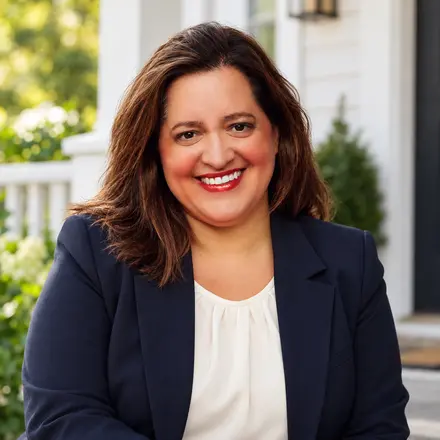
Curbelo Law was founded by Carolina T. Curbelo, an attorney with more than a decade of real estate experience. In practice, that experience shows up where it matters most: identifying which line items truly move the needle—and which ones can be prevented or negotiated before closing.
This depends on the property value and the type of loan. It’s not a single charge, but the sum of:
- State transfer taxes and fees (RTF and, if applicable, the additional charge for sales > $1M),
- Real estate commissions (negotiable),
- Attorney’s fees,
- Mortgage loan fees,
- Property title search in NJ,
- Title insurance in NJ,
- Property taxes (prorated) and prepaids, and
- Prorated HOA dues (if applicable).

Important update (currently in effect): as of July 10, 2025, New Jersey applies a graduated charge on transfers above $1,000,000 (previously known as the “mansion tax/supplemental fee”), and in practice it’s handled as the Graduated Percent Fee.
If you’re planning to buy, review our guide on buying a house in New Jersey, and if you’re selling, see how to sell a house in New Jersey.
In the next sections, you’ll learn exactly what these costs include, how they’re split between buyer and seller, and what you can do to reduce them.
On this page
Closing costs in NJ: what they include and how they’re calculated
Closing costs in NJ include all expenses required to complete the sale, fund the transaction (if there’s a mortgage), and record the property with the county.
Based on common searches like “average closing costs in New Jersey” or “how much are closing costs in New Jersey,” the typical range remains a useful benchmark: 2% to 5% for the buyer and 6% to 10% for the seller. The key is understanding which items push each side’s total.
This matters even more when the deal isn’t “standard.” In residential, commercial, or condo closings, line items can change based on the HOA, the type of title, and prorations.
The main components include:
- Realty Transfer Fee (RTF): typically paid by the seller and calculated in tiers. For the official reference, see the NJ Division of Taxation.
- Additional charge for sales > $1,000,000 (Graduated Percent Fee): since July 10, 2025, this is a progressive charge (1% to 3.5%) and, in general, it’s paid by the seller unless specific exemptions apply (same official link above).
- Real estate agent commissions: often one of the seller’s biggest costs, but they’re negotiable and can now be structured in different ways depending on the agent agreement and negotiated concessions.
- Attorney’s fees: each side typically has independent representation to review the contract, title, and closing documents.
- Loan costs: credit report, appraisal, underwriting/processing, mortgage points, and the escrow deposit.
- Title search and title insurance: protection against liens, recording errors, or claims.
- Adjustments and prepaids: taxes, daily interest, and HOA dues through the closing date.
- Seller concessions: common after the inspection or to help the buyer with upfront costs. Learn more in “What can seller concessions be used for”.
In addition, there are state programs that may cover part of these costs for qualifying buyers. The NJ Housing and Mortgage Finance Agency (NJHMFA) offers programs that can combine assistance for a down payment and closing costs depending on the county and eligibility.
For more details, see “NJ first-time homebuyer assistance”.
Who pays closing costs in NJ—and why does the seller sometimes pay more?
Closing costs in NJ are split between the buyer and seller, but each side covers different expenses.
A common question is: “Who pays closing costs in New Jersey?” In practical terms, what’s typical is:

The seller typically covers:
- Real estate commissions (negotiable and can be structured depending on the agent agreement).
- Realty Transfer Fee (RTF) and, if the price exceeds $1,000,000, the additional charge (Graduated Percent Fee) unless exemptions apply.
- Seller’s real estate attorney fees.
- Property taxes and HOA dues prorated through the closing date.
- Negotiated concessions to the buyer, such as repairs or credits.
The buyer, on the other hand, usually pays:
- Loan costs and the home inspection.
- Title search and title insurance, plus mortgage points if they want to lower the interest rate.
- Prepaid taxes, an escrow deposit, and recording fees.
The typical difference is that the seller often carries the biggest costs (transfer fees and, frequently, commissions), while the buyer covers the loan structure and prepaids.
In transactions with tight timelines or post-inspection concessions, the details matter. An attorney experienced in residential, commercial, and condo closings can prioritize what needs to happen when—and help prevent a “small fee” from turning into a last-minute problem.
Before signing, both parties should review the “Closing Disclosure” (Closing Disclosure). The federal consumer authority explains how it works and the delivery timeline here: CFPB – Closing Disclosure.
Detailed closing costs for sellers in New Jersey
While every deal is different, sellers often pay these main items:
- Realty Transfer Fee (RTF) (tiered).
- Graduated Percent Fee if the price exceeds $1,000,000 (unless exemptions apply).
- Real estate commissions (negotiable and set by contract).
- Closing legal fees, to coordinate the deed, payments, and documentation.
- Property taxes and HOA dues, prorated through the sale date.
- Bank fees and mortgage payoff charges, if there’s an outstanding balance.
- Buyer concessions, when the seller agrees to cover part of the closing costs.
In sales where the owner lives out of state, additional withholding or closing requirements may apply. It’s a good idea to raise this with your attorney before signing.
It’s also smart to review the deed and the property title before closing.
Closing costs for buyers in New Jersey: common expenses and how they’re calculated
For buyers, closing costs in NJ are usually between 2% and 5% of the purchase price, depending on the loan, the county, and prepaids (taxes, insurance, and daily interest).
This is one of the most searched questions: “How much are closing costs in New Jersey?” or “How much does it cost to close on a house in New Jersey?”
These costs often include:
- Appraisal and home inspection: confirm value and condition.
- Mortgage loan fees: origination, underwriting/processing, and credit review. Mortgage points may also be included.
- Escrow deposit (“escrow”): may cover future taxes and insurance depending on the lender.
- Title insurance and title search: protect against liens and recording errors.
- Recording fees: vary by county and documents.
- Buyer’s attorney fees: reviews the contract, contingencies, and closing documents.
According to the NJHMFA, the buyer’s total costs vary based on the property value and the type of financing selected.
If the buyer uses an FHA, USDA, or VA-backed loan, the rules change slightly. Each program sets specific limits on who can pay certain costs or fees.
Typical percentages: how much you really pay in closing costs in NJ
In practice, there are two ways to estimate: (1) a quick percentage rule of thumb (2%–5% for the buyer), and (2) a line-item breakdown based on your Loan Estimate. The second is usually more accurate because it separates prepaids (taxes/insurance/interest) from fees (lender, title, recording).
Quick example:
- $400,000 home: the buyer’s closing costs often range between $8,000 and $12,000, depending on the loan, prepaids, and negotiation.
- $600,000 home: about $12,000 to $18,000.
- $1,000,000 home: may exceed $20,000 if there are mortgage points, a higher escrow deposit, or higher title costs.
Buyers should also budget for prepaid expenses (taxes, daily interest, and homeowners insurance). These aren’t “extra fees,” but advance amounts deposited into the loan escrow account.

If you want to plan your purchase in more detail, you can also review “Mortgage requirements in New Jersey”, which explains the documents, ratios, and conditions that directly affect your final closing costs.
New Jersey transfer tax: Realty Transfer Fee (RTF) and the additional charge > $1,000,000
One of the most important components of closing costs in NJ is the Realty Transfer Fee (RTF), a state charge calculated in tiers and typically paid by the seller.
Currently, New Jersey maintains a progressive rate per $500 of sale value, with higher tiers as the price increases.
Current 2026 Realty Transfer Fee (RTF) rates
| Property value | Fee per $500 | Approx. % equivalent |
| Up to $150,000 | $2.90 | 0.58% |
| $150,001 – $200,000 | $4.25 | 0.85% |
| $200,001 – $550,000 | $4.80 | 0.96% |
| $550,001 – $850,000 | $5.30 | 1.06% |
| $850,001 – $1,000,000 | $5.80 | 1.16% |
| Over $1,000,000 | $6.05 | ≥ 1.21% |
In addition to the RTF: as of July 10, 2025, for sales above $1,000,000 the Graduated Percent Fee may apply (previously “mansion tax/supplemental fee”). This is a progressive charge and, generally, it’s paid by the seller. Official reference: NJ Division of Taxation – Realty Transfer Fee.
Graduated Percent Fee (sales > $1,000,000): current tiers
| Sale price (total consideration) | Applicable rate |
| Over $1,000,000 and up to $2,000,000 | 1% |
| Over $2,000,000 and up to $2,500,000 | 2% |
| Over $2,500,000 and up to $3,000,000 | 2.5% |
| Over $3,000,000 and up to $3,500,000 | 3% |
| Over $3,500,000 | 3.5% |
Practical note: for sales above $1,000,000, exemptions or specific forms may apply depending on the transaction type. Your attorney can confirm whether an exception applies and what attachments the county requires.
Closing costs by mortgage loan type
The type of financing directly impacts upfront costs, prepaids, and certain required charges. Below are the most common differences.
1. FHA loans
With FHA loans, an upfront mortgage insurance premium (UFMIP) of 1.75% of the base loan amount often applies. Depending on the case, this can be paid at closing or rolled into the loan.
2. Conventional loans
With conventional loans, if your down payment is under 20%, private mortgage insurance (PMI) is typically required. PMI cost varies based on credit and down payment, and it may be canceled once you reach the applicable equity threshold.
3. USDA loans
USDA loans often include an upfront fee and an annual fee. The program guide (official document) describes a 1% upfront fee and a 0.35% annual fee (subject to fiscal-year changes): USDA RD – Guarantee SFH Flyer (fees).
4. VA loans (for veterans)
With VA loans, a funding fee often applies, depending on prior use of the benefit and the down payment amount. The official reference is here: VA – Funding fee and closing costs.
If the buyer isn’t sure which program to choose, see our article on types of mortgage loans in the United States, where we compare benefits and requirements.
How to calculate closing costs in NJ step by step
Accurately calculating closing costs in NJ is essential to avoid surprises during a purchase or sale.
In investor deals or condo purchases, the calculation can change due to prorations, certifications, and adjustments. That’s why it helps to estimate with a cushion and review the details line by line.
Basic steps to estimate them:
- Identify the purchase price. Use the contract amount.
- Estimate the buyer’s range (2%–5%). For example, $450,000 often yields a base range of $9,000 to $22,500 before adjusting for prepaids and negotiation.
- Add charges based on the mortgage type. FHA/USDA/VA may include specific fees.
- Add legal and title fees. These vary by complexity, county, and title company.
- Include taxes and prepaids. Prorated taxes, daily interest, and homeowners insurance.

Practical example: for a purchase in Hudson County for $500,000, a buyer might see an estimated breakdown such as:
- Appraisal: about $700 to $900.
- Title search and title insurance: about $1,800 to $2,200 (depending on the policy and endorsements).
- Legal fees: around $1,200 (depending on complexity).
- Taxes/prepaids: for example $1,500 (varies by the closing date).
Estimated total: about $14,000 to $15,000 (approximately 2.8%–3.0% of the price). The real number depends on escrow, interest rate, the day of the month, and negotiation.
Effective strategies to reduce closing costs
You can reduce closing costs in NJ with smart negotiation and planning. The most effective strategies usually include:
- Negotiate seller concessions. A 1%–3% credit can significantly change your cash to close.
- Compare lenders. Small differences in origination/underwriting can add up to thousands.
- Decide whether paying points makes sense. It may reduce the rate but increases upfront cost—run the numbers based on how long you expect to keep the home.
- Manage escrow and prepaids. The closing date impacts daily interest and prorations.
- Review the Loan Estimate and then the Closing Disclosure. Compare charges, spot duplicates, and ask for written clarification. Official guide: CFPB – Loan Estimate.
- Ask for lender credits. A small rate adjustment can generate credits that reduce upfront cash.
- Avoid surprise repair costs after the inspection. If it isn’t negotiated in time, it often becomes a buyer expense.
New Jersey assistance programs to help cover closing costs
Upfront costs may be reduced through state and local programs (depending on eligibility). In NJ, the NJHMFA offers assistance that may support a down payment and/or closing costs.
Helpful update: in certain cases, assistance can be higher when the buyer qualifies as first-generation, combining programs to reach larger amounts depending on the county.
- NJHMFA Down Payment Assistance (DPA): may be up to $15,000 depending on the county (usable for down payment and/or closing costs).
- First-Generation Homebuyer: may add additional support and, combined with DPA, reach up to $22,000 depending on the county and requirements.
- Municipal programs: some cities and counties offer additional grants or funds for buyers.
Frequently asked questions about closing costs in NJ
Who pays closing costs in NJ?
Both parties contribute. The buyer pays for loan costs, appraisal/inspections, prepaids, and some title/recording costs; the seller typically pays state transfer fees and, often, the largest sale-related costs (including negotiated commissions).
What are average closing costs in New Jersey?
As a practical rule, buyers often estimate 2% to 5% of the price. The final amount depends on prepaids, the closing date, the loan, and the county, so it’s best to rely on the Loan Estimate and confirm on the Closing Disclosure.
Can I finance closing costs?
In some cases, yes. Some lenders allow certain costs to be rolled into the loan or offset with lender credits, as long as the scenario meets approval and appraisal limits.
Are there closing costs if I buy in cash?
Yes. Even if you avoid lender fees, you’ll usually still pay items like title search and title insurance, inspection, recording, and tax prorations. That’s why even cash buyers should request an estimated breakdown before closing.
Are closing costs tax-deductible?
Generally, no. However, certain interest and mortgage points paid at closing may be deductible depending on the circumstances. Check with a tax professional to confirm.
What documents do I need on closing day?
A valid ID, proof of funds (wire/cashier’s check as applicable), the final Closing Disclosure, and the title/deed documents reviewed by your attorney.
You can find a complete guide to this process in “Home inspection in New Jersey” and “New Jersey quitclaim deed”, which explain how to help ensure the transfer is completed without errors.
Legal guidance for your New Jersey real estate closing
Closing costs in NJ vary based on the property, the loan, and the negotiation. Knowing the components can help you save thousands of dollars and avoid costly mistakes.
With proper preparation and guidance from experienced attorneys, both buyers and sellers can achieve a safe, transparent closing.
Carolina T. Curbelo represents buyers, sellers, and investors in residential, commercial, and condominium transactions. That experience helps prioritize deadlines, review critical documents, and reduce friction during negotiations.
At Curbelo Law, our team of residential real estate attorneys in NJ can help you review contracts, estimate taxes, manage credits, and protect your interests at every step of the buying or selling process.
Contact us today to schedule a consultation and get personalized guidance for your New Jersey real estate closing.
Let us know about your case We can help you

